

We must believe in spring
Around the world, the vernal equinox is a time of hope, renewal, and seasonal delights.

Happy Saturday, hopeful cook!
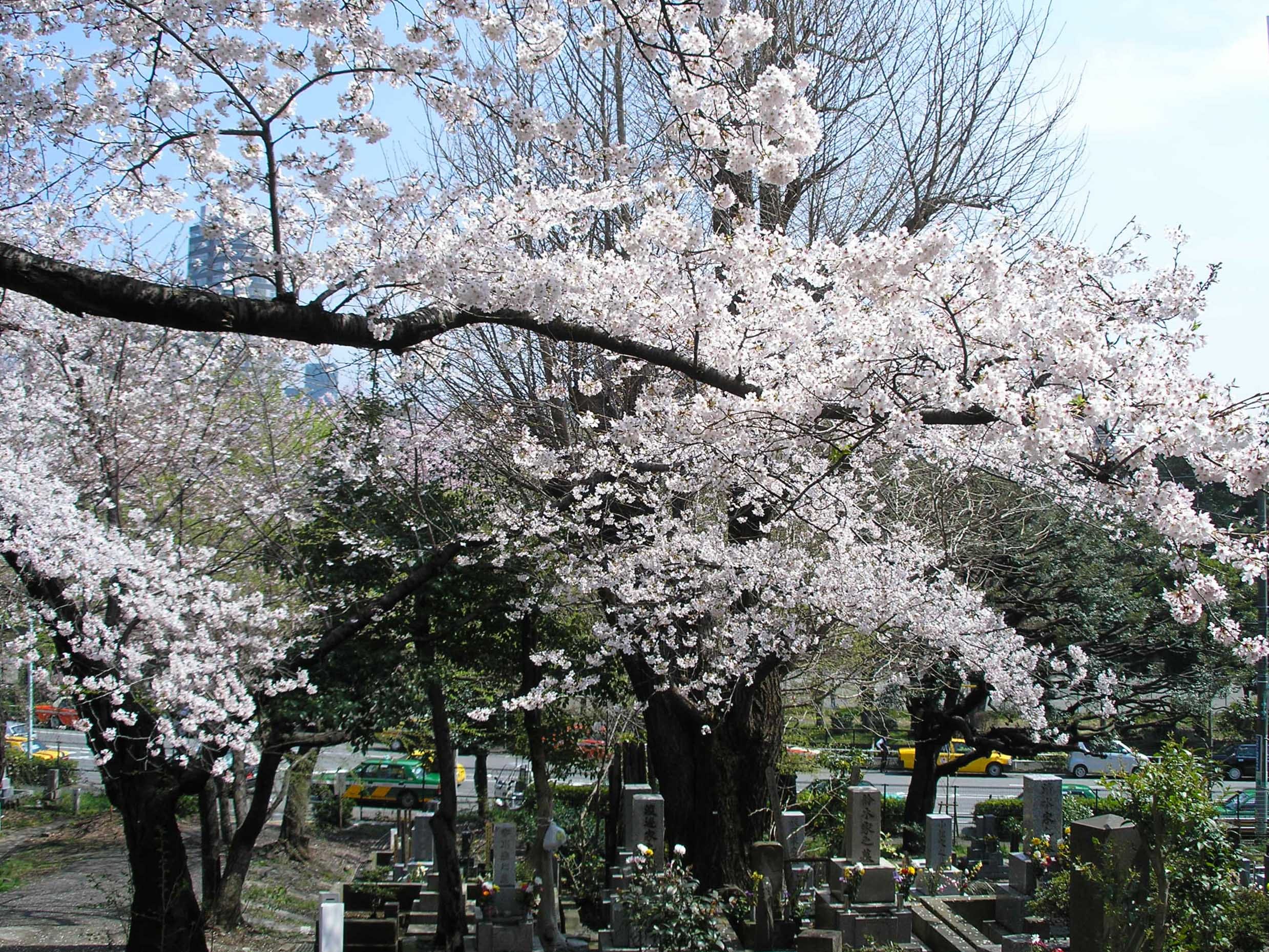
Signs of spring are here: Where I live, trees are starting to blossom; I’m finding strawberries and asparagus from California in the supermarket; and in the wee hours between tonight and tomorrow, we’ll spring our clocks forward.
In cultures around the world, spring signifies hope and renewal. I can’t remember a season in which, here in America, we’ve needed this more. Today we’re at spring-minus-12 days.
[Listen to this remastered recording of the late, great Bill Evans playing “You Must Believe in Spring.’]
Spring commemorated around the world
Let’s take a spin through some of the upcoming springtime celebrations — many of which are celebrated by diasporas here in the U.S., as well as in the countries where they were born — along with the foods and drink that are part of the festivities.
Holi
In India, and throughout the Hindu diaspora, Holi — the Festival of Colors — marks the end of winter and the start of spring, beginning with the full moon of the Hindu month of Phalguni (usually in March). This year it will be March 13 or 14, so before the northern hemisphere’s vernal equinox. Holi celebrates the triumph of good over evil, as well as rebirth, love, rejuvenation, embracing the positive and letting go of negative energy.
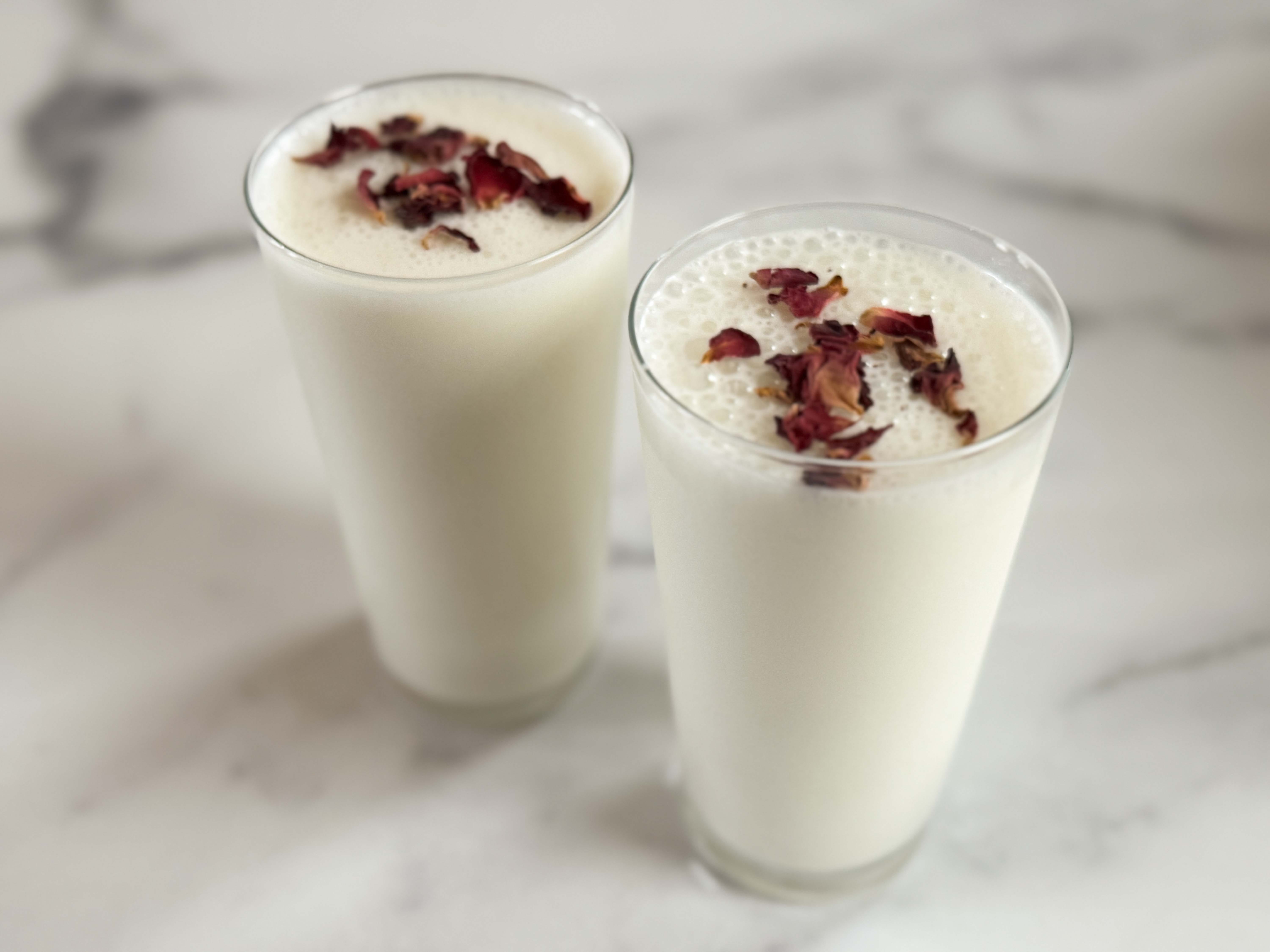
A wide variety of sweets and savories are eaten at Holi, including gujiya (a filled pastry), ras malai (paneer soaked in syrup then floated in sweetened milk) and lassi (a yogurt drink, often with mango). I don’t have any Indian sweets recipes for you at the moment, but I just made a delicious rose lassi. Find the (easy!) recipe at the end of this missive, in the bonus recipes for paid subscribers.
Nowruz
For people in Iran, Iraq, Afghanistan, Uzbekistan, many of their neighbors and all their diasporas, the first day of spring (the vernal equinox) is the beginning of the new year: Nowruz, a two-week-long celebration. Nowruz means “new day” in Farsi.
There’s a wonderful primer about the Nowruz festival in Food of Life, Najmieh Batmanglij’s encyclopedic book subtitled “Ancient Persian and Modern Iranian Cooking and Ceremonies.”
In every household, Batmanglij explains, a special cover is spread on a carpet or table — the sofreh-ye haft-sinn, or “seven dishes” setting. Each dish served begins with the Persian letter sinn, and they represent, respectively, rebirth, health, happiness, prosperity, joy, patience and beauty.
“The traditional menu for the Nowruz gathering on the day of the equinox usually includes fish and noodles,” Batmanglij writes. “It is believed they bring good luck, fertility and prosperity in the year that lies ahead.”
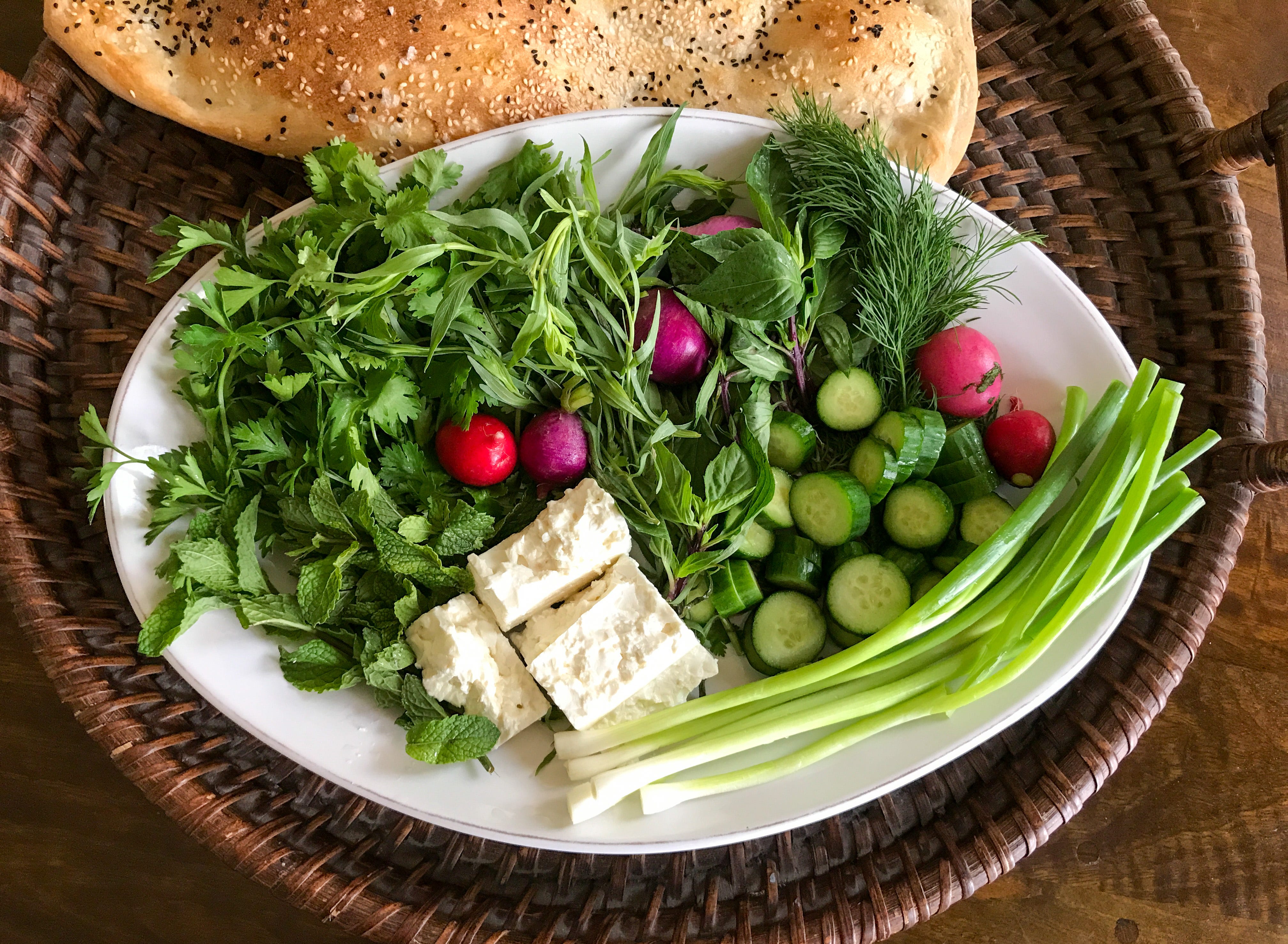
She follows with a suggested menu: Noodle Soup (osh-e reshteh or ash-e-reshteh); Rice with Fresh Herbs and Fish (Sabzi polow ba mahi); Herb Kuku (a frittata-like dish); Sabzi Khordan (Iran’s ubiquitous herb platter, with cheese) with nan-e barbari (flatbread); Wheat Sprout Pudding; Sprout Cookies and Seven Desserts.
The eggs and loads of fresh herbs in Batmanglij’s kuku represent fertility and rebirth. Find her recipe, and my own “recipe” for Sabzi Kordan, at the end of this post.
Hanami
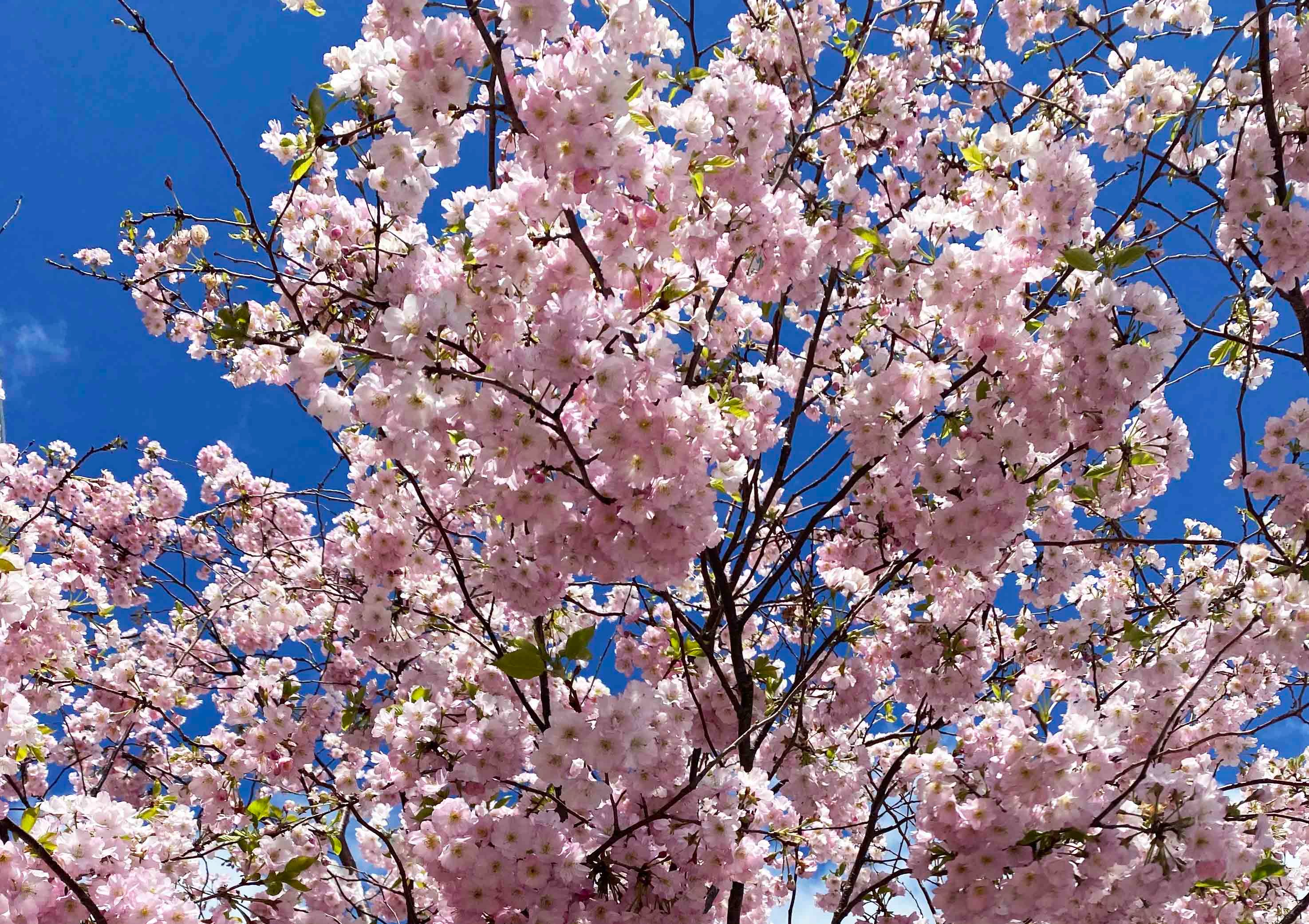
Japan’s spring wingding is Hanami — the Cherry Blossom Festival. It usually starts around just after the vernal equinox; tracking its commencement is national sport. This year the first day of blooming is predicted to be March 22 in Tokyo, and then over the next weeks, all the way into May, the rest of the country starts blossoming.
During Hanami in 2007, I was lucky enough to be in Japan, where sakura (cherry blossoms) appeared in all kinds of dishes. In Japanese culinary culture, the year is divided into 72 microseasons (kō). During sakura hajimete saku — the kō that corresponds to the first cherry blossoms — kaiseki chefs were all incorporating the same ingredients into their dishes. In addition to sakura, there was young bamboo, fiddlehead ferns, mountain vegetables and young rapini — along with cherry salmon (masu), tai snapper and needlefish.
Pesach
Passover, or Pesach, the springtime ritual that celebrates the Jews’ exodus from Egypt, begins the evening of April 12 this year.
Observant Jews clean out their pantries in preparation for the holiday, removing all leavened breads, as their ancestors escaping Egypt did not have time to let rise the bread they’d carry, and instead brought matzoh (unleavened flatbread). A typical Ashkenazi seder, or Passover dinner, includes gefilte fish (a cold quenelle-type dish of ground fish, served with horseradish); matzoh-ball soup; roasted lamb (symbolizing the Pascal or sacrificial lamb) or brisket; asparagus or other green veg and potatoes. For dessert, coconut macaroons or other flour-free treats are served. (You’ll find some recipes in the members-only bonus section.)
Songkran
Thailand celebrates its new year in the spring with Songkran, a three-day festival on April 13, just after the rice harvest.
According to its listing on the UNESCO Representative List of the Intangible Cultural Heritage of Humanity, to which it was added in 2023, “Songkran promotes community cooperation, unity and forgiveness. It is viewed as a time to symbolically wash away misfortunes, pray for prosperity for the coming year, reunite with family members, and honour ancestors and older adults.”
The following dishes are commonly enjoyed, but people also cook things beloved in their families, and refreshing dishes, as it’s often hot during the spring:
• Khao Chae ~ rice soaked in jasmine-scented water and served with ice cubes and side dishes
• Som Tam ~ green papaya salad
• Pad Thai ~ the world-famous noodle dish
• Tom Yum Goong ~ spicy, tangy shrimp soup
• Mango Sticky Rice ~ sweet sticky rice with coconut sauce and fresh mango
Easter
Easter, the Christian spring celebration of the resurrection of Christ, falls on April 20 this year.
In terms of food, what’s eaten for the holiday, and during Lent (the 40 days leading up to it), varies with the culinary traditions of the culture that’s observing it. As with Passover, roast lamb (again, that reference to the Old Testament’s sacrificial lamb) is a tradition shared by many, from Western Europe to the Eastern Orthodox cultures. Eggs, symbolizing fertility and rebirth, are also important (including dyed and hidden in the garden!), as are various types of breads, symbolizing the body of Christ.
A few delicious culture-specific specialties:
• Torta Pasqualina in Italy ~ a savory pie filled with eggs, ricotta and spinach or chard
• Fanesca in Ecuador ~ an elaborate soup. It includes at least a dozen ingredients, to represent the 12 apostles. They might include various beans, chickpeas, lentils, rice, corn, salted cod and zapallo (a summer squash). There are also toppings, which might be cod, hard-boiled eggs, cheese, herbs or cheese empanadas.
• Gumbo z’Herbes in Louisiana, USA ~ also known as “green gumbo,” a soupy stew that incorporates various leafy greens, it is traditionally eaten during Lent. Some are vegan; others include meats. Do try one of the CWB recipes linked in the story above.
• Gigot d’agneau in France ~ roast leg of lamb, often served with flageolets (a type of bean). See the members-only bonus recipes below.
• Torrijas in Spain ~ bread soaked in milk or wine, then browned in butter (similar to French pain perdu or French toast)
• Hot cross buns in the U.K. and places it colonized ~ eaten two days prior to Easter, on Good Friday, these savory buns are marked with a cross to commemorate the crucifixion of Christ
• Pashkas in Russia and Slavic countries ~ a sweet cheese dessert made in a special mold. It includes ingredients forbidden during Lent.
Happy almost-spring. If you have a chance to try one of my recipes, do let us know how you like it! Want something simpler to greet spring? Pick up a pint of strawberries, halve them and toss them with a little Grand Marnier or balsamic vinegar, and everything will feel a little rosier. Or fix yourself a rose lassi!
Love, Leslie
BONUS RECIPES for paid subscribers:
